Delivering nutrition where it matters most
Expanding access to treatment and services in the hardest-to-reach communities of Afghanistan

Afghanistan remains one of the world’s most complex humanitarian contexts, where decades of conflict, climate shocks and economic instability continue to drive high levels of undernutrition. An estimated 22.9 million people required humanitarian assistance in 2025, including 12 million children. Food insecurity remains widespread, with millions of households unable to meet basic dietary needs, while recurrent drought and displacement further strain already fragile systems.
Malnutrition is a persistent and life-threatening challenge. Afghanistan has one of the highest burdens of child undernutrition globally, with high levels of stunting and wasting. Poor dietary diversity, limited access to nutritious food and inadequate infant feeding practices continue to drive a cycle of malnutrition that begins in early childhood and often persists across generations.
At the same time, an estimated 1.5 million children were at high risk of wasting, including severe wasting going into 2026.
Sustaining life-saving treatment at scale
Against this backdrop, the CNF has supported UNICEF and partners to sustain and scale up essential nutrition services across the country, ensuring that children and women can access life-saving interventions even in the most challenging settings.
Through support from the Government of Canada, US$2.9 million was invested to strengthen the treatment of severe wasting.
This financing enabled the procurement and delivery of enough RUTF to treat 45,000 children under 5, ensuring continuity of treatment services across all 34 provinces.
To support this, insulated mobile storage units were deployed to maintain the quality and safety of the RUTF, protecting supplies from heat and ensuring reliable access in remote and high-temperature locations.
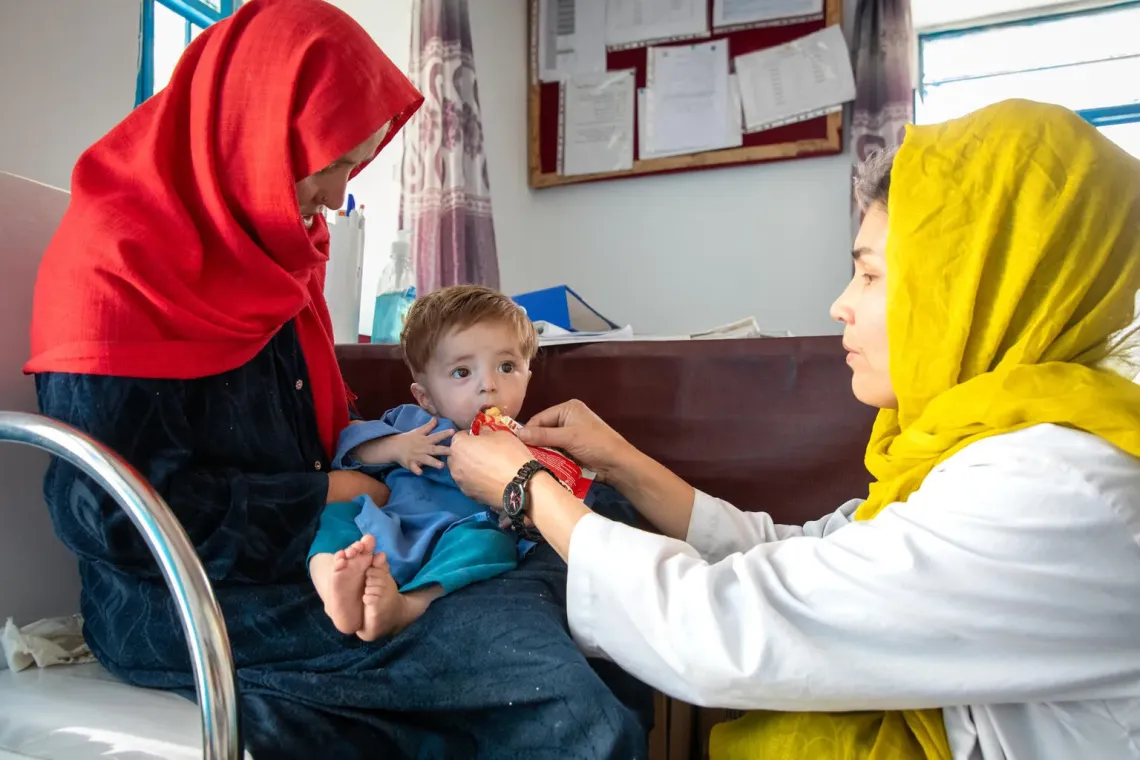
As a result, the programme achieved a recovery rate of 83 per cent – well above global standards. This support played a critical role in maintaining supply pipelines and preventing interruptions to treatment, particularly in hard-to-reach areas.
Scaling up maternal nutrition through MMS
Beyond treatment, support to maternal nutrition has been expanded to address the intergenerational drivers of undernutrition, with increased efforts to improve access to essential maternal nutrition services.
Through support from Kirk Humanitarian, nearly 1.5 million women were reached with MMS, helping to improve maternal health and reduce the risk of low birthweight and poor child growth outcomes in all 34 provinces.
These investments are not only saving lives but also strengthening health systems. By ensuring consistent supply chains, supporting frontline health workers and expanding access to services through health facilities and community platforms, CNF support is helping improve the early detection and treatment of malnutrition. Integration with broader health services is also enhancing efficiency and reach, ensuring that children and mothers receive a more comprehensive package of care.
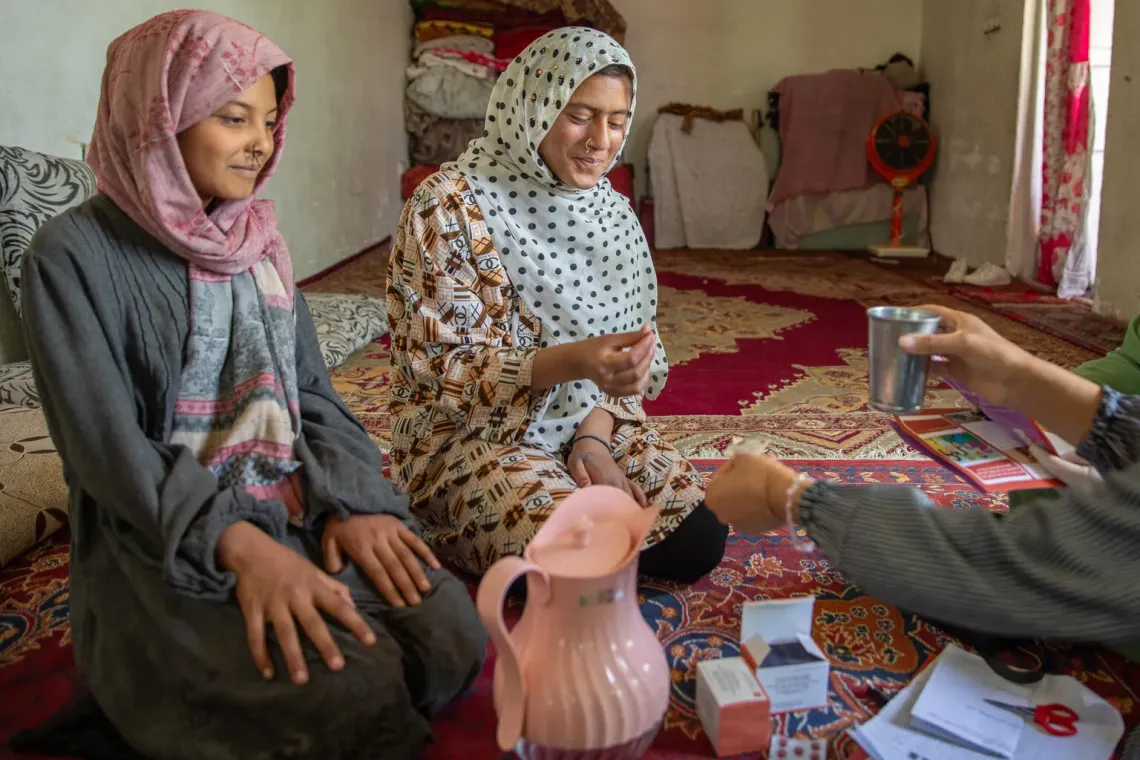
This includes reinforcing the integration of nutrition within primary health care services and supporting the transition from IFA supplementation to MMS for pregnant women across health facilities in Afghanistan.
While needs remain immense, early results demonstrate what is possible when financing is aligned with country-led delivery systems. Continued support from the CNF and its partners will be essential to sustain progress, expand coverage and ensure that no child is left behind in Afghanistan’s response to undernutrition.
Read more stories of progress from Burkina Faso, the Philippines and Sudan in the CNF 2025 Annual Report.